
Types of architecture are easier to learn than most people expect once you know what to look for. Each type follows a recognizable set of rules around shape, material, and ornament.
This guide breaks down the major types of architecture you will encounter in everyday life, from historic landmarks to modern office parks.
You will learn what defines each type, where it tends to show up, and how to tell similar styles apart without guesswork.
By the end, you will be able to walk through almost any neighborhood and name what you are seeing with confidence.
The Main Categories of Architectural Types
Architecture generally falls into a handful of broad categories, each shaped by a distinct period or philosophy.
Classical and neoclassical types lean on symmetry and columns, often used for civic buildings that want to feel permanent and authoritative.
Gothic and Victorian types favor verticality, pointed arches, and ornate detailing, common in churches and grand historic homes.
Modernist and Brutalist types strip away decoration in favor of raw materials and function, frequently seen in mid-century public buildings.
Contemporary and sustainable types prioritize energy efficiency and flexible space, dominating new residential and commercial construction today.

OUR LOCATIONS
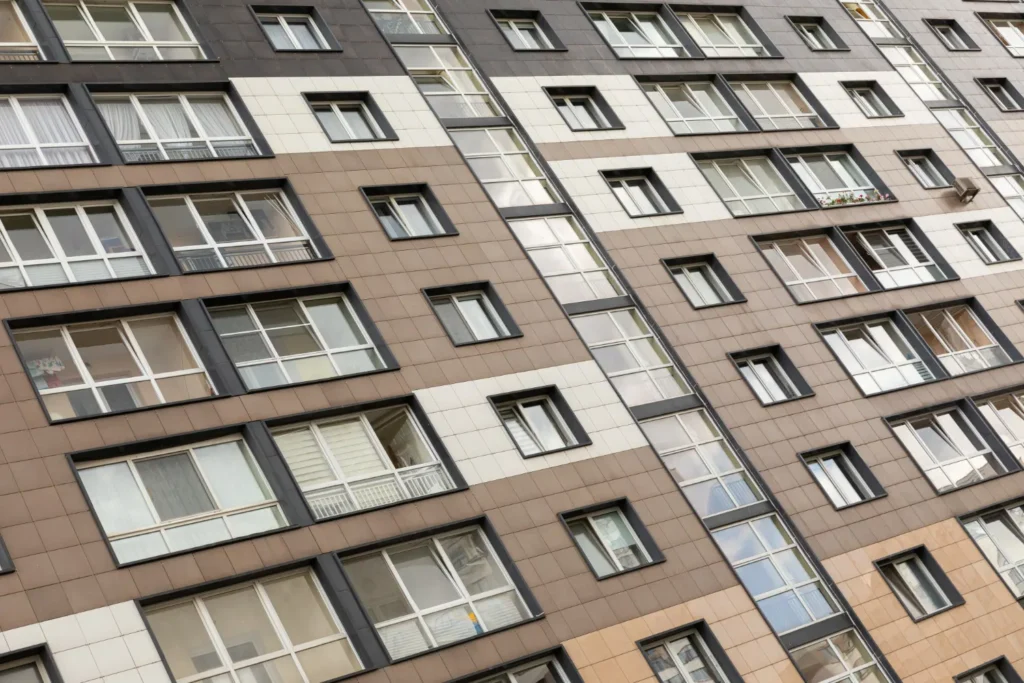
Comparing two buildings side by side is the fastest way to learn the differences between architectural types.Discover our beautiful retreats and enjoy nature.

Comparing Rooflines and Facades
Steep, multi-angled roofs usually point to Victorian or Gothic influence, while flat or minimal rooflines suggest Modernist or Contemporary design. The facade tells a similar story: heavy ornamentation versus clean, unbroken surfaces.

Comparing Materials and Scale
Stone and brick with visible craftsmanship often signal older types of architecture, while concrete, steel, and glass dominate twentieth and twenty-first century builds. Scale matters too, since older civic buildings were often designed to feel monumental.
Choosing the Right Type for Your Project
If you are planning a build or renovation, matching the right type of architecture to your goals saves you time and money.
For a home that blends into a historic neighborhood, a traditional or revival type keeps your renovation in step with surrounding properties.
For a commercial space meant to signal innovation, a contemporary or industrial type communicates that message instantly to clients and visitors.
Talk through your priorities, budget, and timeline with your architect before settling on one of these types of architecture for your project.